Recital Prep That Builds the Brain

The Making of a “Musical Mind” - by Kristin Yost
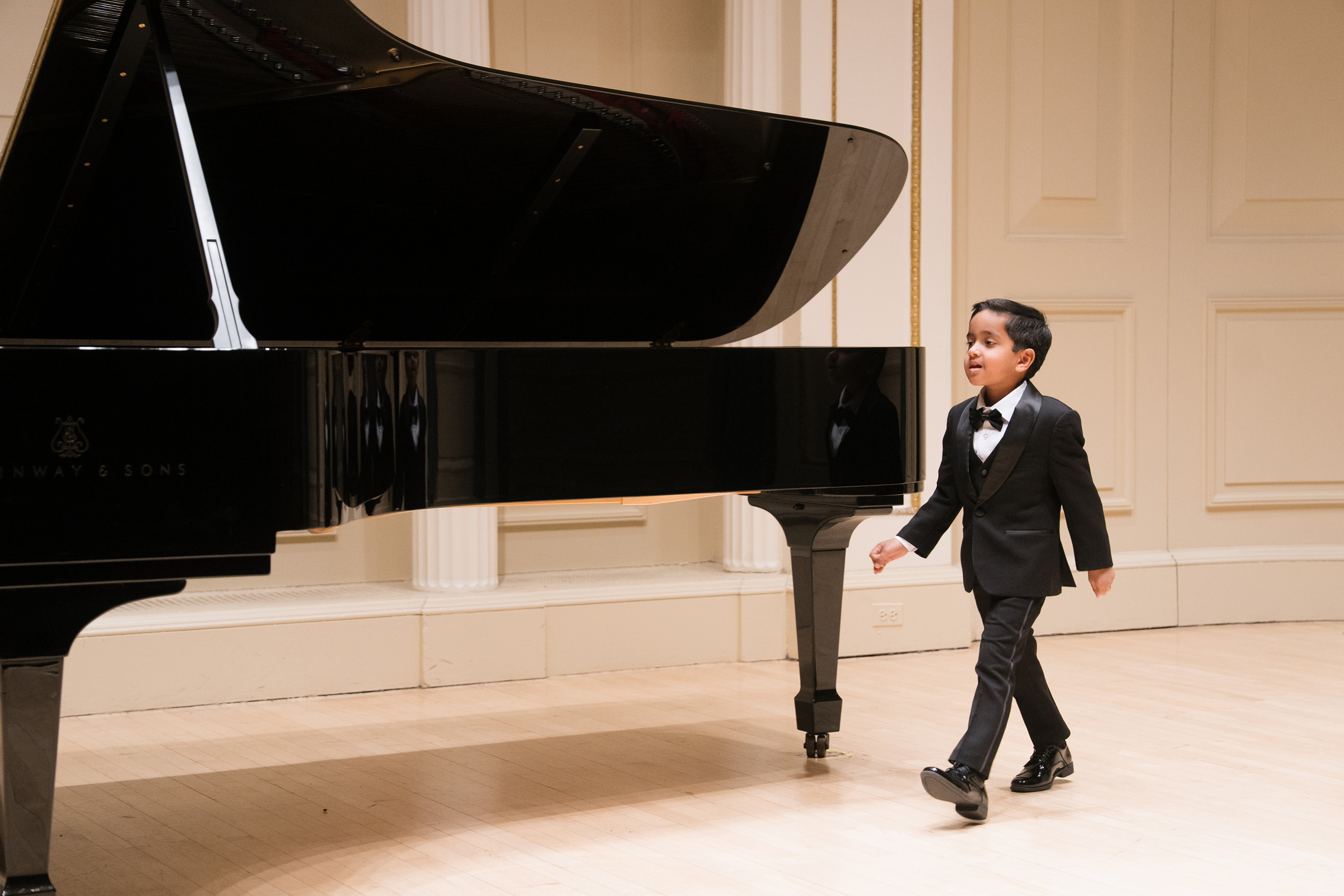
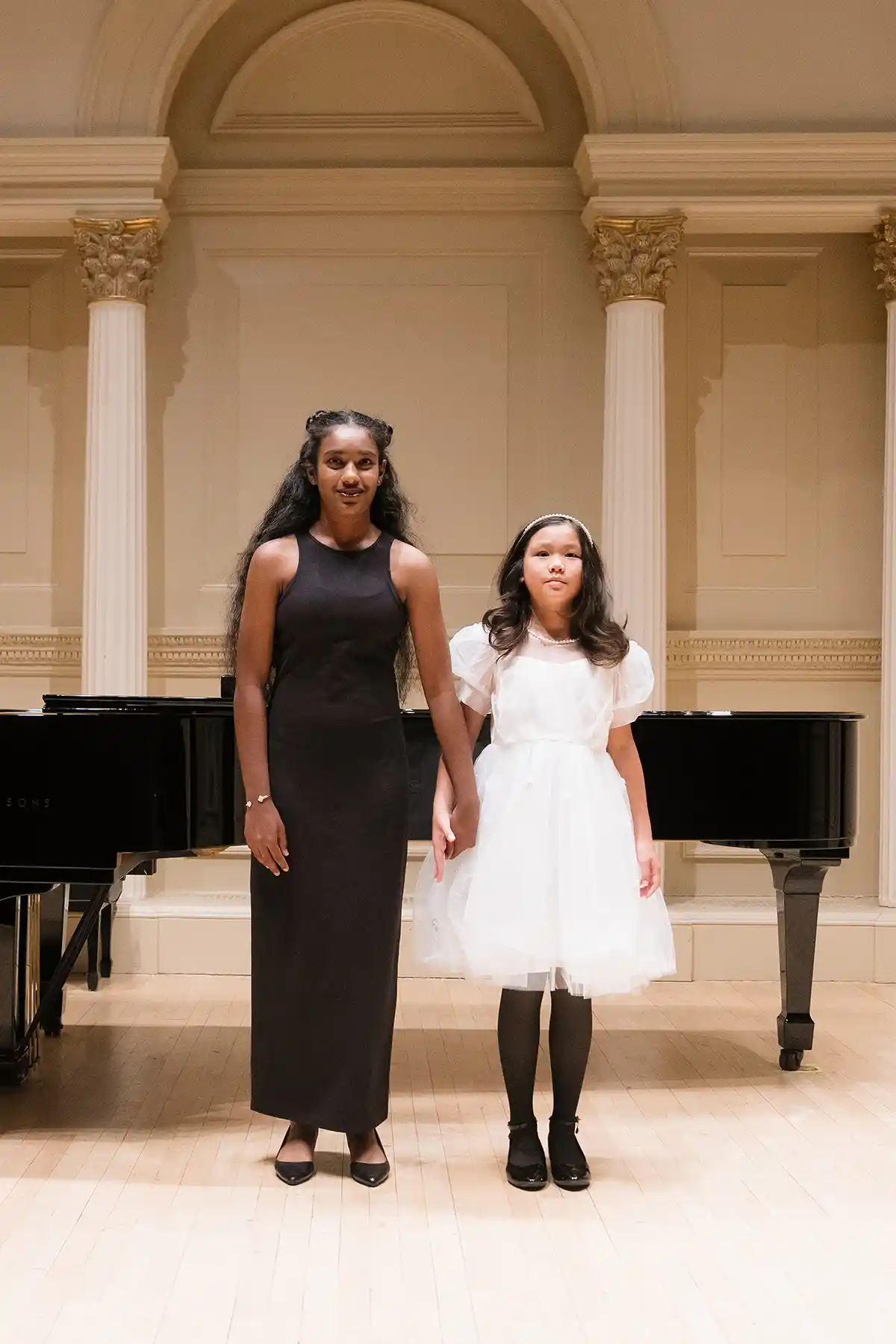
At the Centre for Musical Minds, recitals aren’t just a performance opportunity. Beyond the applause and polished pieces lies a deeper truth: recital preparation actively shapes a child’s brain, helping them grow emotionally, cognitively and musically.
The Neuroscience of Music and Performance
If you asked a neuroscientist to design the ideal activity for developing a young brain, it would look remarkably like music education, especially when it includes performance preparation. Why? Because playing and preparing to perform music engages more brain regions simultaneously than almost any other human activity.
Studies show that music training strengthens:
- The prefrontal cortex (attention, planning, self-regulation)
- The motor cortex and cerebellum (coordination and timing)
- The hippocampus (memory)
- The corpus callosum (integration across brain hemispheres)
- The limbic system (emotional regulation)
These aren’t just isolated functions, they work together, and music forces the brain to communicate across regions. This process, called neuroplasticity, allows the brain to literally reorganize and become more efficient.
“When children prepare to perform, their brains are doing far more than learning notes,” says Kristin Yost, Executive Director and Founder. “They’re learning to focus under pressure, manage frustration and adapt in real time. These are skills that transfer directly into school, relationships and life.”
Why CMM’s Environment Matters
Recital prep can be daunting for students, especially those who are naturally anxious or perfectionistic in nature. That’s why CMM’s structured and supportive approach is so essential. We create a safe space where:
- Performance is part of the learning process, not a pass/fail moment.
- Mistakes are data, not failure.
- Students are encouraged to focus on progress over perfection.
Our teaching culture is intentionally designed to emphasize:
- Consistency and calm during stressful moments
- Encouragement and redirection rather than correction
- Self-reflection and independence in place of constant hand-holding
This kind of emotional and cognitive scaffolding allows students to rewire how they respond to pressure.
Backed by Science
Music and performance preparation help build:
- Executive Function
Focus, frustration management, planning, and decision-making under pressure.
(Moreno et al., 2011; Harvard & Royal Conservatory studies) - Working Memory
Holding and manipulating multiple pieces of information simultaneously—critical for academic learning.
(Schlaug et al., 2005; Hyde et al., 2009) - Emotional Regulation
Learning to tolerate discomfort, manage nerves, and rebound from mistakes.
(Habibi et al., 2018; cortisol and stress recovery studies) - Cognitive Flexibility
Switching strategies, adjusting tempo, improvising solutions—essential for 21st-century learning.
(Multiple EEG and behavior studies on creative problem-solving in music students)
The CMM Difference
Recital prep at CMM is:
✔ Grounded in neuroscience
✔ Embedded in a culture of encouragement
✔ Focused on lifelong growth
✔ Designed to develop confident, capable, expressive children
We don’t just teach students to play music. We teach them to think, adapt, regulate, and shine, both on stage and in life. Our mission is to help people become better versions of themselves, through music.
Performance Week: Best Practices for Parents
Support the effort more than the outcome.
- Celebrate consistency.
Praise the practice habits and not just the final result. (“I’m proud of how you kept showing up and working hard.”) - Normalize nerves.
Let your child know it’s okay to feel nervous, it means they care. - Avoid “Are you ready?”
Try saying: “You’ve prepared so thoughtfully. I’m excited to hear you share your music.” - Focus on growth.
Talk about how far they’ve come, not just how the performance goes. - Be their safe place.
Whether it goes perfectly or not, your calm and encouragement is the anchor they need.
References
- Habibi, A., et al. (2018). Association of music training with development of auditory and cognitive skills in children. Developmental Cognitive Neuroscience, 34, 82–91.
- Schlaug, G., Norton, A., Overy, K., & Winner, E. (2005). Effects of music training on the child's brain and cognitive development. Annals of the New York Academy of Sciences, 1060(1), 219–230.
- Hyde, K. L., et al. (2009). Musical training shapes structural brain development. Journal of Neuroscience, 29(10), 3019–3025.
- Moreno, S., et al. (2011). Short-term music training enhances verbal intelligence and executive function.Psychological Science, 22(11), 1425–1433.
- Hanna-Pladdy, B., & Mackay, A. (2011). Instrumental musical activity and cognitive aging. Neuropsychology, 25(3), 378–386.